Elevator Shaft Flooding Restoration In Calgary, AB
A flooded elevator shaft creates major safety and liability risks requiring immediate action. Our Calgary team extracts water from the pit, dries all structural components, and works with elevator contractors to restore safe and compliant operation.
Request Flood Damage Restoration Estimate Now
Fill out this form and we'll give you a call to schedule a free on site consultation.
Understanding Elevator Shaft Flooding Restoration In Calgary, AB
Elevator shaft flooding can cause serious structural damage, electrical hazards, elevator system failures, and major operational disruptions throughout commercial, residential, and multi-unit buildings. Because elevator pits and shaft systems are located below grade or within enclosed vertical structures, even small amounts of water intrusion can create significant damage to elevator equipment, electrical systems, mechanical components, and surrounding structural areas.
In Calgary, elevator shaft flooding is especially common during heavy rainfall events, groundwater intrusion, sump pump failures, burst pipes, fire suppression discharge, sewer backups, and spring thaw flooding conditions. Elevator shaft flooding restoration focuses on emergency water extraction, moisture mitigation, structural drying, contamination cleanup, and restoring affected building systems safely following water intrusion events.
At Calgary Flood Restoration, we provide 24/7 emergency elevator shaft flooding restoration services throughout Calgary, including commercial buildings, condos, apartment towers, office buildings, hotels, mixed-use developments, industrial facilities, and multi-unit residential properties in Beltline, Downtown Calgary, East Village, Mission, Seton, Mahogany, Eau Claire, and surrounding communities across Southwest Calgary, Southeast Calgary, Northwest Calgary, and Northeast Calgary.
Common Causes of Elevator Shaft Flooding In Calgary
Groundwater Intrusion
Elevator pits are commonly located below grade and are highly vulnerable to groundwater infiltration during heavy rainfall, spring snowmelt, rising water tables, and hydrostatic pressure buildup.
Sump Pump Failures
Many elevator pits rely on sump pump systems to remove groundwater and prevent flooding.
When sump pumps fail mechanically, lose power, or become overwhelmed, water can quickly accumulate inside the elevator shaft.
Burst Pipes & Plumbing Failures
Mechanical rooms, utility systems, and plumbing lines located near elevator shafts may leak or burst unexpectedly, allowing water to spread into elevator pits and lower-level structural areas.
Fire Suppression System Discharge
Accidental sprinkler activation, suppression system failures, or active fire emergencies may flood elevator shafts with large volumes of water.
Sewer & Drain Backups
Blocked drain systems, sewer backups, and floor drain overflows may introduce contaminated water into elevator pits and underground building infrastructure.
Heavy Rainfall & Storm Events
Calgary’s severe storms and rapid snowmelt periods can overwhelm underground drainage systems and contribute to water infiltration into below-grade elevator structures.
Warning Signs You May Need Elevator Shaft Flooding Restoration In Calgary, AB
Water Accumulation Inside Elevator Pits
Visible standing water inside the elevator pit or surrounding lower-level areas often indicates active flooding conditions.
Elevator Malfunctions Or Shutdowns
Water exposure may trigger elevator system failures, safety shutdowns, electrical faults, or operational disruptions.
Damp Or Musty Odors Near Elevator Areas
Persistent humidity and damp smells may indicate hidden moisture buildup inside the elevator shaft or surrounding structural spaces.
Electrical System Concerns
Floodwater exposure near elevator controls, motors, wiring, or electrical panels creates serious safety hazards requiring immediate mitigation.
Visible Corrosion Or Rust
Moisture exposure may cause corrosion on elevator equipment, metal framing, mechanical systems, and structural components.
Mold Growth In Lower-Level Utility Areas
Visible mold near elevator rooms, underground corridors, or adjacent wall systems may indicate unresolved flooding or moisture intrusion.
Our Elevator Shaft Flooding Restoration Process
Emergency Inspection & Safety Assessment
Our team quickly identifies the source of flooding, evaluates electrical and mechanical safety risks, and assesses all affected structural materials and elevator-related systems throughout the property.
Immediate mitigation measures are implemented to help reduce further damage and operational risks.
Emergency Water Extraction
Commercial-grade extraction systems and high-capacity pumps are used to rapidly remove standing water from elevator pits, underground utility spaces, basements, mechanical rooms, and surrounding structural areas.
Fast extraction helps minimize moisture absorption into nearby materials and equipment spaces.
Advanced Moisture Detection
Elevator shaft flooding frequently creates hidden moisture inside surrounding wall assemblies, flooring systems, insulation cavities, and structural materials.
We use thermal imaging cameras, infrared technology, and moisture meters to identify trapped moisture throughout the affected areas.
Structural Drying & Dehumidification
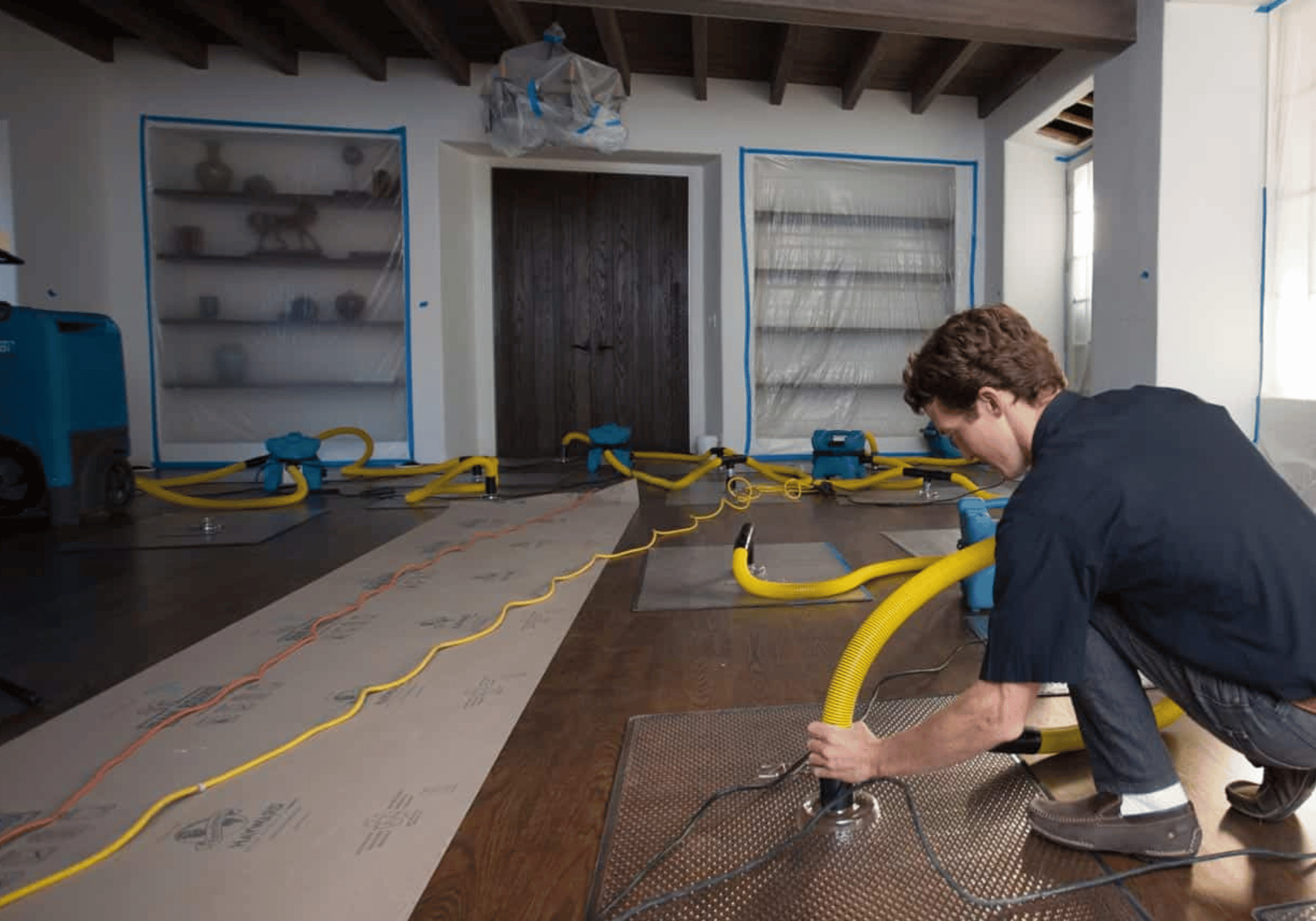
Industrial-grade air movers and dehumidifiers are strategically installed to remove trapped moisture from structural materials and indoor air.
Drying systems are continuously monitored throughout the restoration process.
Cleaning & Sanitization
Affected elevator and utility areas are professionally cleaned, sanitized, and deodorized to help eliminate moisture-related odors, contamination concerns, and water-related residue.
Removal Of Damaged Materials
Severely saturated drywall, insulation, flooring systems, ceiling materials, and unsalvageable structural components may require removal to allow proper drying and restoration.
Coordination With Elevator Contractors
Where required, we coordinate with elevator maintenance and repair specialists to help ensure affected elevator systems are properly inspected before returning to service.
Repairs & Restoration
After drying is complete, restoration work may include drywall replacement, flooring repairs, insulation replacement, trim replacement, painting, and rebuilding damaged structural areas.
Final Moisture Verification
Before completion, final inspections and moisture testing are performed to verify all affected materials have been properly dried and restored.
Why Professional Elevator Shaft Flooding Restoration Matters
Elevator shaft flooding often causes extensive hidden moisture damage throughout underground building systems, utility spaces, structural assemblies, and surrounding materials long after visible water has been removed. Floodwater exposure may also create serious electrical hazards and operational safety concerns.
Professional elevator shaft flooding restoration helps reduce the risk of:
- Mold growth
- Structural weakening
- Hidden moisture damage
- Elevator equipment corrosion
- Electrical hazards
- Flooring deterioration
- Wall system damage
- Indoor air quality issues
- Long-term structural deterioration
Professional moisture detection, extraction, and structural drying equipment are essential for properly restoring properties following elevator shaft flooding events.
At Calgary Flood Restoration, we focus on rapid emergency response, complete moisture mitigation, and restoring properties safely after elevator flooding emergencies throughout Calgary communities.
What To Expect During The Restoration Process
When Calgary Flood Restoration arrives on-site, our team immediately assesses the flooding, identifies hidden moisture spread, and evaluates all affected structural materials and building systems throughout the property.
A customized restoration plan is developed based on the extent of flooding, equipment exposure, and the severity of moisture migration throughout surrounding walls, flooring systems, insulation assemblies, elevator infrastructure, and structural materials. Throughout the project, we maintain clear communication regarding cleanup timelines, equipment placement, restoration progress, and repair expectations.
Drying equipment may remain on-site for several days depending on moisture saturation levels and the extent of hidden water damage throughout the affected areas.
For insurance-related losses, we can also assist with documentation and direct insurance billing support where applicable.
Why Calgary Flood Restoration
Calgary Flood Restoration provides 24/7 elevator shaft flooding restoration services throughout Calgary and surrounding communities.
Property owners trust Calgary Flood Restoration because we provide:
- IICRC-certified restoration technicians
- 24/7 emergency response
- Rapid dispatch throughout Calgary
- Advanced moisture detection technology
- Commercial-grade extraction and drying equipment
- Direct insurance billing support
- Experience handling underground and elevator-related flooding
- Complete cleanup and restoration services
Our team understands the unique flooding risks Calgary elevator systems face during heavy rainfall events, groundwater intrusion, sump pump failures, plumbing leaks, freeze-thaw cycles, and seasonal weather fluctuations throughout both residential and commercial buildings.
Frequently Asked Questions About Elevator Shaft Flooding Restoration In Calgary, AB
What causes elevator shaft flooding?
Elevator shaft flooding is commonly caused by groundwater intrusion, sump pump failures, burst pipes, fire suppression discharge, sewer backups, and heavy rainfall events.
Can elevator flooding damage elevator systems?
Yes. Floodwater may damage elevator motors, controls, electrical systems, pit equipment, and surrounding structural assemblies.
How quickly should elevator shaft flooding be addressed?
Flooding should be mitigated immediately to reduce electrical hazards, equipment corrosion, mold growth, and long-term structural deterioration.
Can elevator shaft flooding cause mold growth?
Yes. Moisture trapped inside underground utility spaces, walls, flooring systems, and structural cavities can quickly create conditions for mold growth if not properly dried.
Will insurance cover elevator shaft flooding restoration?
Coverage depends on the cause of the flooding and the details of the insurance policy. Sudden plumbing failures and storm-related flooding may be covered under many policies.
Do you provide elevator shaft flooding restoration throughout all areas of Calgary?
Yes. We provide emergency elevator shaft flooding restoration services throughout Calgary, including Southwest Calgary, Southeast Calgary, Northwest Calgary, Northeast Calgary, and surrounding communities.
Get 24/7 Elevator Shaft Flooding Restoration Help In Calgary
If your property has experienced flooding caused by groundwater intrusion, sump pump failures, burst pipes, sewer backups, fire suppression discharge, or underground drainage failures affecting elevator systems, immediate mitigation can help prevent further structural damage and costly repairs.
Calgary Flood Restoration provides rapid-response elevator shaft flooding restoration services throughout Calgary, including Beltline, Downtown Calgary, Mahogany, East Village, Mission, Seton, Evanston, Signal Hill, and surrounding communities across all quadrants of the city.
Our experienced team handles emergency water extraction, moisture detection, structural drying, cleanup, sanitization, and complete restoration services following elevator shaft flooding emergencies.
Call Calgary Flood Restoration today at (587) 333-4287 for immediate elevator shaft flooding restoration services in Calgary, Alberta.
Serving Calgary, Alberta & Surrounding Communities
 Get Help Now
Your trusted partner for residential and commercial flood damage restoration in Calgary, Alberta, and surrounding communities
Call Us
(587) 333-4287
Service Locations